AI SEO vs traditional SEO 2026 marks the fracture point where keyword chases yield to snippet citations. Traditional SEO built crawlable sites that drove clicks. In 2026, AI SEO secures inclusion in Google AI Overviews and answer engines. Zero click search dominates now. Traffic pipelines? They're evaporating fast.
Operators at product-led teams face a stark choice. Layer AI workflows on technical foundations. Or watch visibility turn hollow. Frankly, it's a no-brainer for anyone paying attention.
Search intent has lengthened to 25+ word conversational queries. Large Language Models (LLMs) synthesize answers from E-E-A-T-backed passages, not ranked pages. We've engineered SEO automation systems at Nine Lives Development to map these shifts, turning manual audits into programmatic pipelines that deliver 2x faster inclusion signals.
The Zero-Click Reckoning: Traffic Models Collapse in 2026
Google AI Overviews limit responses to 1-3 cited sources. This slashes clicks by answering queries onsite. Traditional SEO optimized for SERP positions. Now zero click search traps 70%+ of traffic in synthesis layers. Users get answers without leaving the engine.
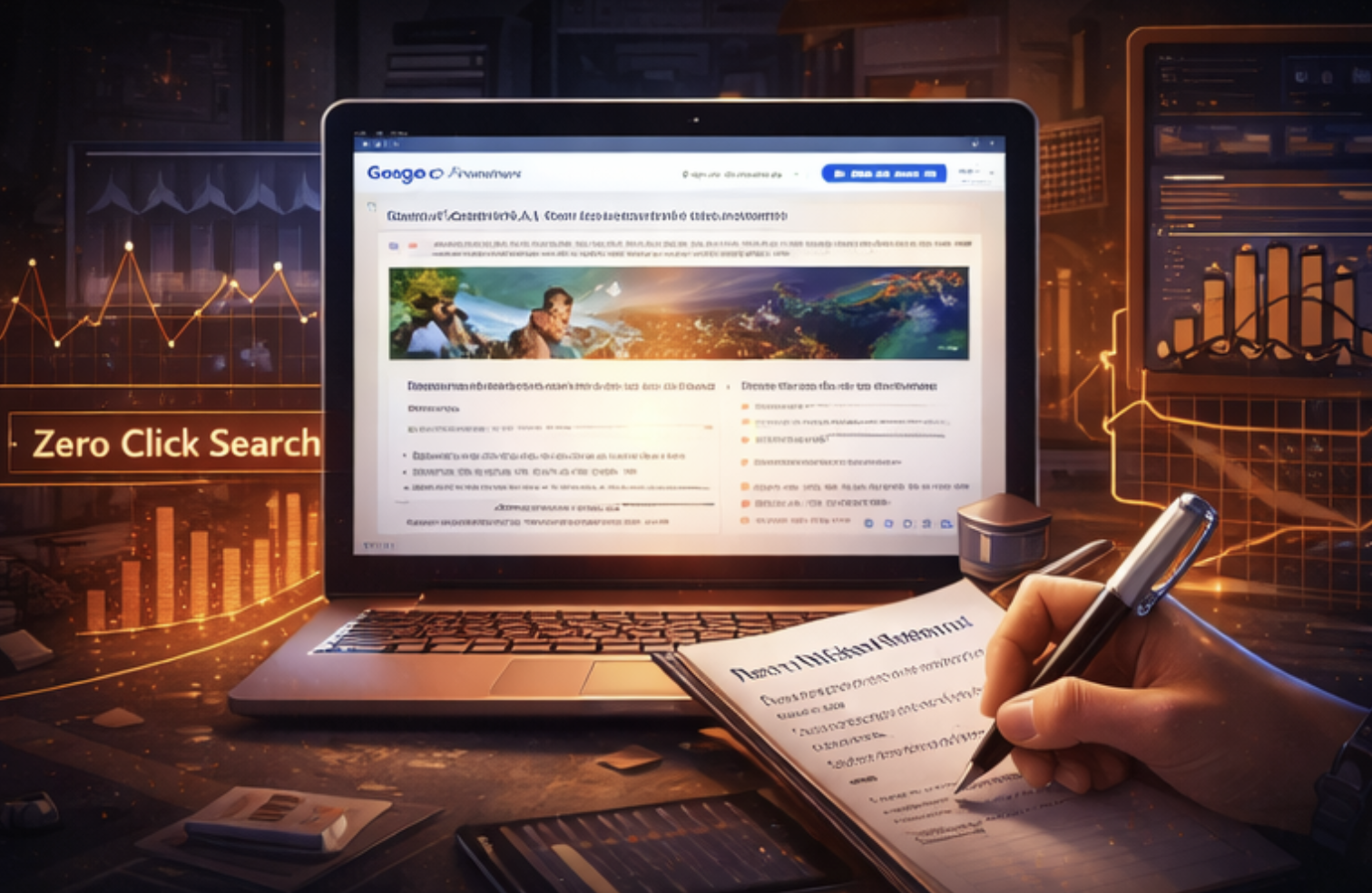
Conversational search compresses journeys. A founder querying "build scalable AI workflow for startup growth without engineering bloat" skips blue links for direct synthesis. Product-led teams lose 50% organic flow when content structure ignores semantic relevance. Long-tail intents demand featured snippets over keyword density.
Topical authority hinges on passage-level clarity. E-E-A-T evolves beyond backlinks to verifiable expertise: original data, author credentials linked to real work. Sites with strong technical SEO, Core Web Vitals, schema markup get crawled. Only snippet-ready expertise earns citations. Pretty straightforward, right?
AI SEO Defined: Synthesis Signals Over Keyword Rankings
AI SEO targets inclusion in AI reasoning, not top-10 slots. It contrasts sharply with traditional methods. Legacy playbooks stuffed keywords. AI SEO parses search intent via NLP for contextual depth.
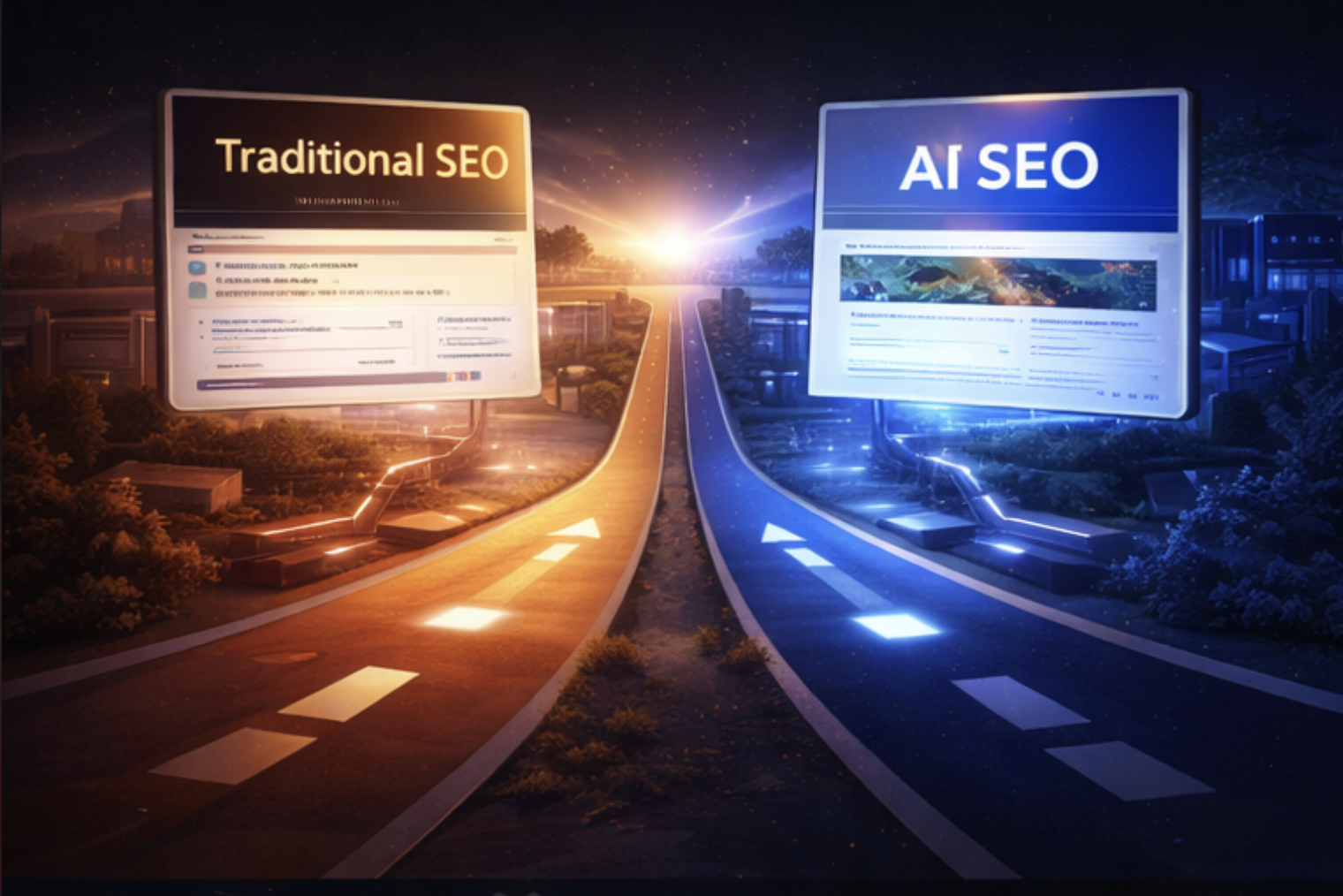
Enter Generative Engine Optimization (GEO) and Answer Engine Optimization (AEO). GEO crafts content for LLM synthesis across text, images, video. It prioritizes clarity, freshness, and authority so your insights propagate indirectly. AEO structures for zero-click delivery: Q&A formats, schema, natural language that mirrors user queries.
Traditional SEO ensures indexing. AI SEO wins synthesis. We've automated GEO pipelines to generate snippet-ready variants, blending human oversight with LLM-driven intent mapping for hybrid stability.
Traditional SEO vs AI SEO: The 2026 Comparison Table
| Aspect | Traditional SEO | AI SEO |
|--------|-----------------|--------|
| Core Focus | Keywords, backlinks, rankings | Search intent, citations, synthesis |
| Content Goal | Drive clicks via positions | Zero click inclusion via snippets |
| Signals | Density, links | E-E-A-T, readability, data |
| Scale | Manual audits | SEO automation at volume |
LLM Search Optimization: Mastering Conversational Depth
LLM search optimization bridges semantic fields to user conversations. Generative engines infer from 25-word queries. Rule-based density becomes obsolete. AI detects semantic relevance directly.
Build content structure around user queries. Cluster topics into maps that establish authority. We've integrated LLMs into workflows to audit gaps, surfacing long-tail variants like "AI automation for SaaS churn reduction in B2B." This yields structured data that AI Overviews cite over generic posts.
Founders make a fatal error with keyword panic. They double down on volume, ignoring inference layers. Prioritize technical SEO foundations, mobile speed, schema. Then layer LLM fluency for 2x ranking persistence through updates.
Generative Engine Optimization: From Crawl to Citation
Generative Engine Optimization (GEO) makes your content AI-preferred source material. Focus on E-E-A-T via original research, not PR fluff. Google verifies bylines against profiles, favoring data-backed claims.
Programmatic SEO scales this. Automate hundreds of persona-specific pages for semantic clusters. Manual teams drown in variations. Our systems at Nine Lives generate schema-infused variants from intent data, ensuring crawlability meets synthesis fit.
A growth engineer's page on "hybrid SEO for product-led acquisition" uses tables, bullet Q&As for snippet pulls. Result: citations in AI Overviews, even sans clicks.
SEO Automation: Scaling for 2026's Query Explosion
SEO automation addresses production pain head-on. Rising tool searches signal operators scrambling. Manual workflows can't match conversational volume.
Integrate audits with schema generators for programmatic SEO. Tools parse top pages, fill gaps, optimize readability. Then human-edit for nuance. We've built these into CI/CD for web products, automating topical maps that feed GEO/AEO.
Hybrid Playbook: The 5-Step Framework
- Audit technical SEO: Speed, mobile, Core Web Vitals.
- Map semantics: Cluster intents via LLMs.
- Generate variants: Programmatic SEO for long-tails.
- Validate E-E-A-T: Link credentials, cite primary sources.
- Test synthesis: Query engines for inclusion.
Avoid metric myopia. Track citations, not just clicks. Sites rank but vanish from AI answers, yielding "visible but invisible" outcomes.
Hybrid Playbook: Layer Traditional Base with AI Edges
Winners blend both worlds. Traditional SEO provides crawlable foundations: site health, backlinks for initial authority. AI SEO fills intent gaps, accelerating to citations.
Roadmap for founders:
- Week 1: Technical audit. Fix schema, speed.
- Month 1: Build topical maps for conversational search.
- Ongoing: Deploy SEO automation for variants, monitor AI Overviews.
Pitfalls: Skip foundations, chase pure AI. Leads to thin output. Ignore citations, fixate on clicks. Misses zero-click wins.
Product-led teams gain most. Optimize landing pages for synthesis, turning queries into direct conversions sans traffic dependency.
Metrics That Matter: Citations Over Clicks in 2026
Shift KPIs to AI visibility. Track mentions in AI Overviews, GEO citations. Not impressions alone. Growth engineers chasing clicks build unstable stacks. Citation focus stabilizes through updates.
A startup's link-heavy site ranked top-3 but zeroed in AI Mode due to poor structure. Post-LLM search optimization, snippets drove brand lift 3x via indirect reach.
2026 Roadmap: Inclusion Beats Indexing
AI SEO vs traditional SEO 2026 demands execution over theory. Founders, audit now: ensure technical SEO crawls, then automate semantics for citations. We've deployed these at Nine Lives Development. SEO automation pipelines scale workflows without bloat, prioritizing operational efficiency.
Layer programmatic SEO, GEO, AEO onto E-E-A-T foundations. Track citations in zero click search. Iterate via LLMs. Product quality follows: systems that win synthesis, not just SERPs. Your edge is hybrid rigor. Build it, or fade.